Market Letter - September 2026

Currencies: the euro strengthens against the dollar, while the yen remains weak
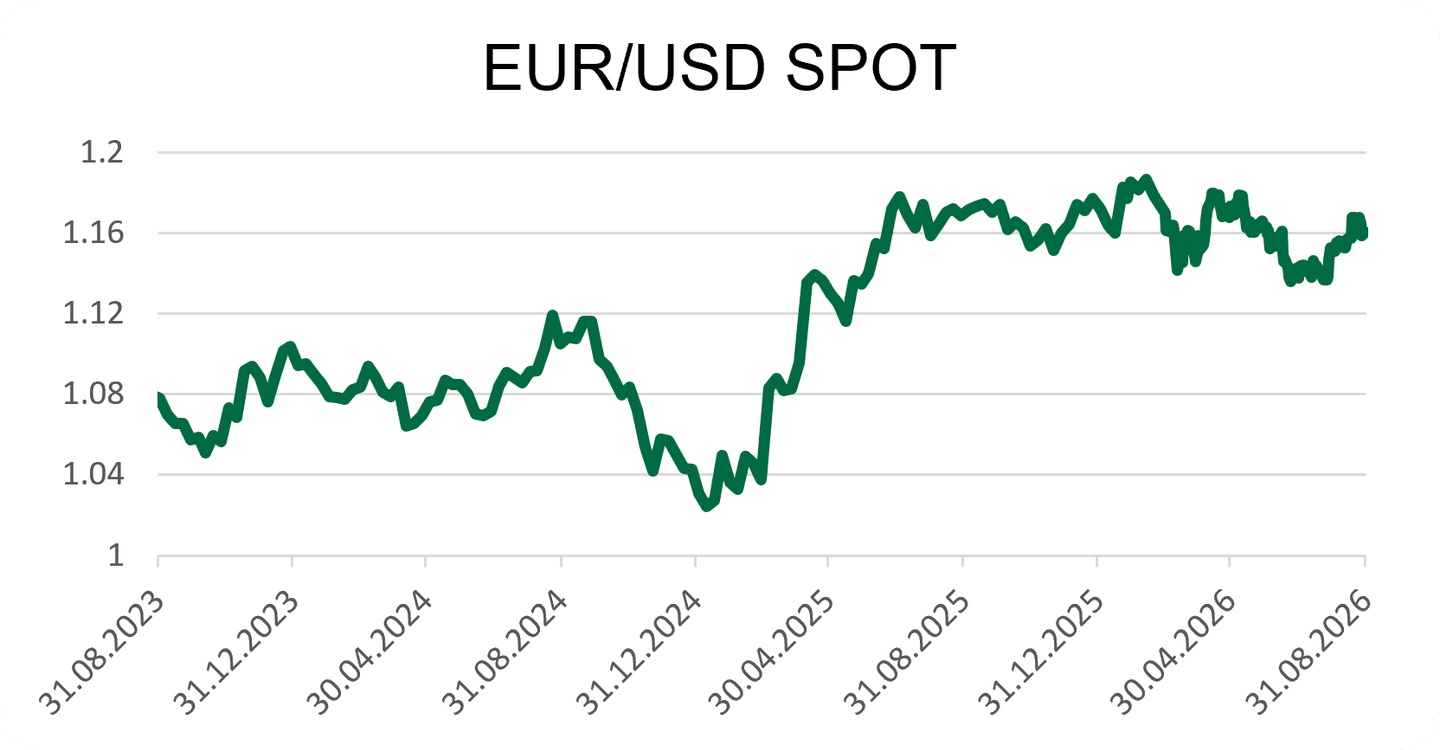
EURUSD: EURUSD is trading around 1.165–1.167, compared with 1.1485 at the end of July, representing an increase of approximately 1.5% since the beginning of the month. This rise mainly reflects the weakening of the dollar, which has been weighed down by persistent concerns surrounding U.S. public finances and the high level of long-term bond yields.
The 10-year Treasury yield is trading around 4.65%, while the 30-year yield remains close to 5.18%. U.S. public debt also exceeded $40 trillion in August, continuing to fuel fiscal concerns.
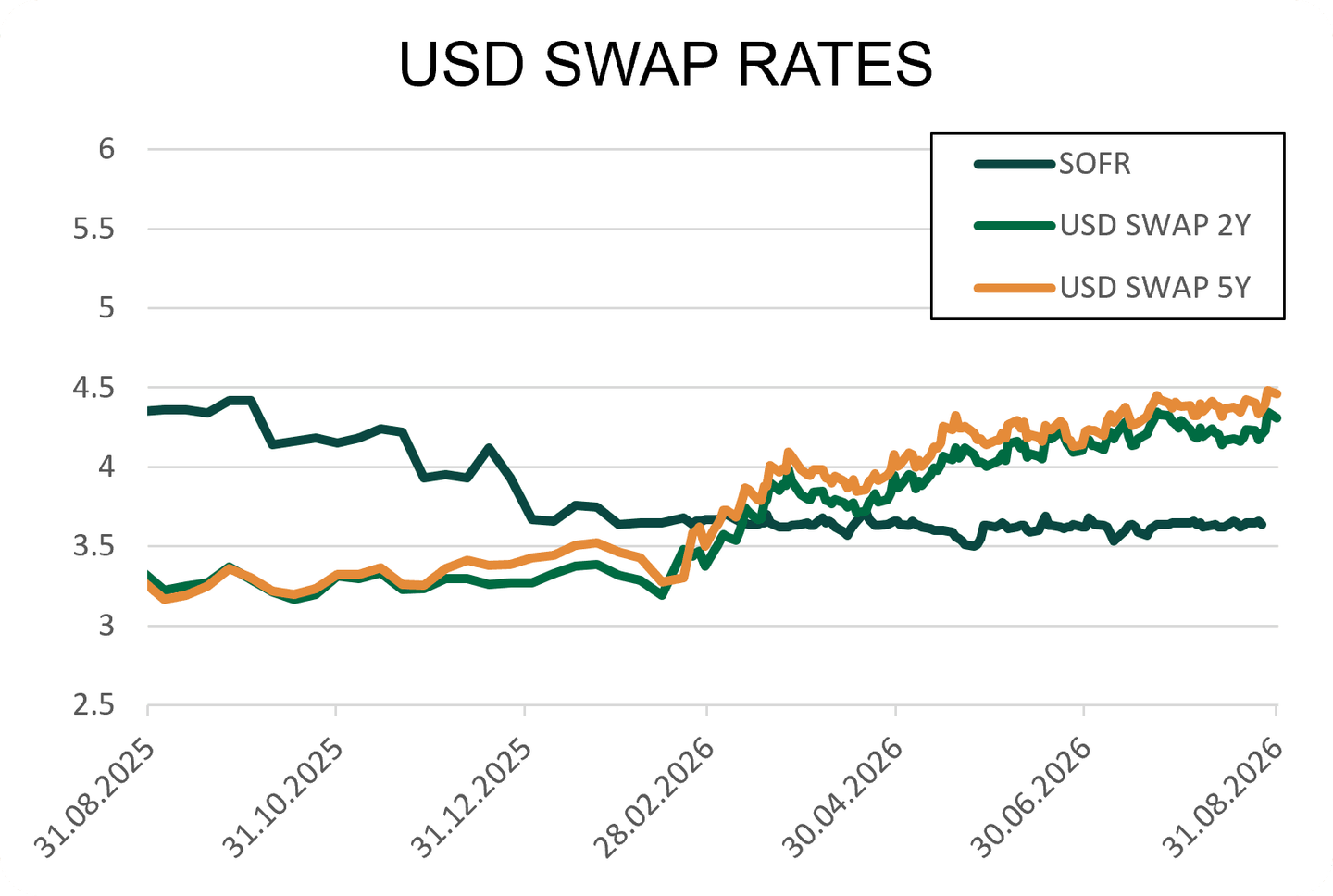
The Federal Reserve is maintaining a restrictive policy stance, with its policy rate in a range of 3.50% to 3.75%. CPI inflation slowed to 3.4% in July, from 3.5% in June, but the PCE index, which is more closely monitored by the Fed, remains high at 3.7%. Markets therefore continue to expect a cautious monetary policy stance.
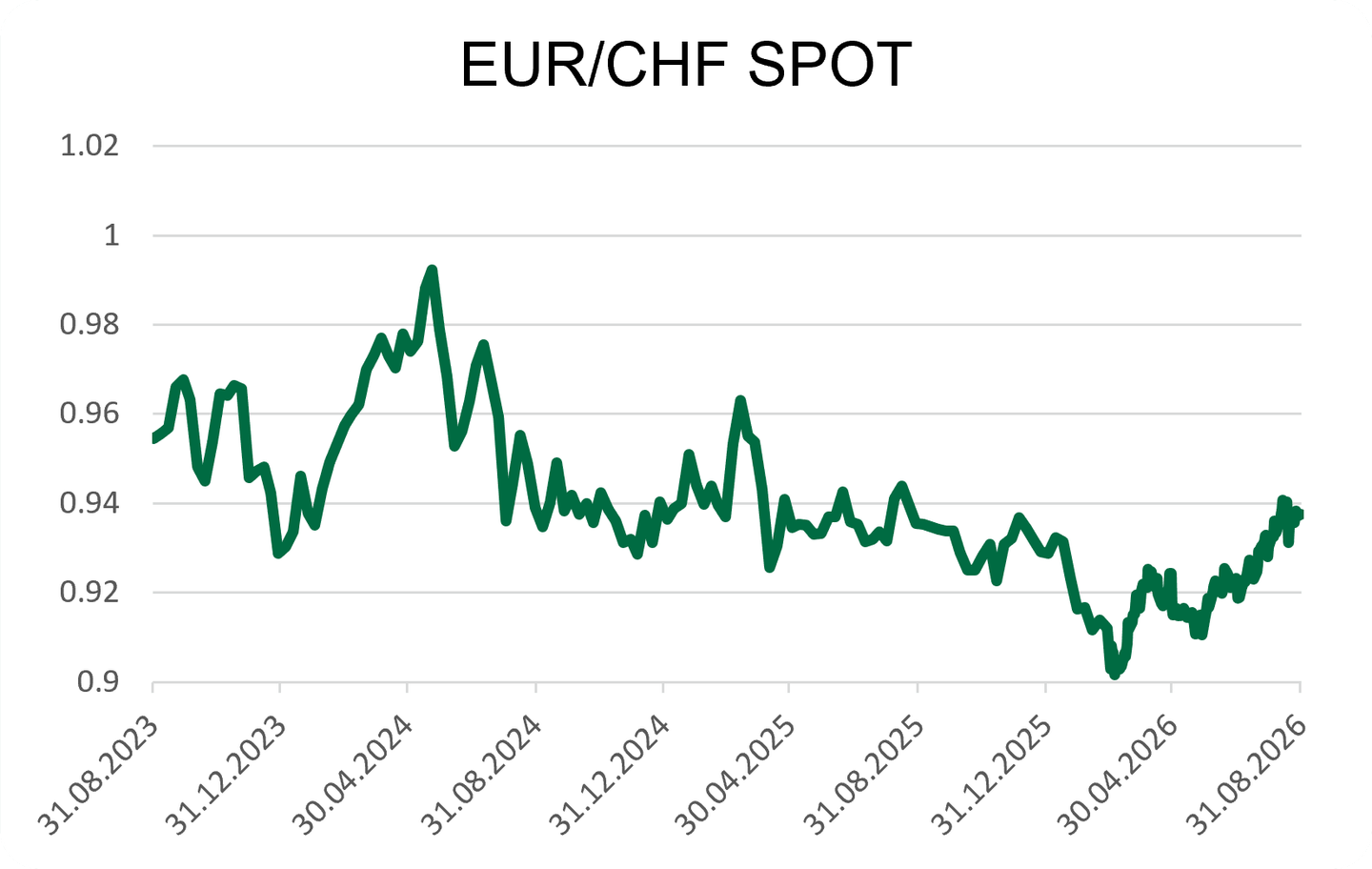
EURCHF: EURCHF is trading around 0.938, compared with 0.9304 at the end of July, representing an increase of approximately 0.8%.
The interest-rate differential remains favorable to the euro: the Swiss National Bank is keeping its policy rate at 0%, compared with 2.25% for the ECB deposit rate. The Swiss franc nevertheless retains its safe-haven status and can strengthen rapidly during periods of market stress.
The SNB also remains prepared to intervene in the foreign exchange market if the franc appreciates too strongly.
EURCNY: EURCNY is trading around 7.84, compared with 7.7539 at the end of July, representing an increase of approximately 1.1%. At the same time, the yuan has strengthened slightly against the dollar, with USDCNY close to 6.72.
The People’s Bank of China kept its loan prime rates unchanged in August at 3.0% for one year and 3.5% for five years, for the fifteenth consecutive month. For the time being, the authorities are prioritizing fiscal measures rather than another interest-rate cut.
However, economic conditions remain fragile. Inflation slowed to 0.5% in July, industrial production growth to +4.5%, and retail sales growth to only +0.6%. The manufacturing PMI stood at 49.2 and the composite PMI at 49.3, both below the 50 threshold indicating a contraction in activity.
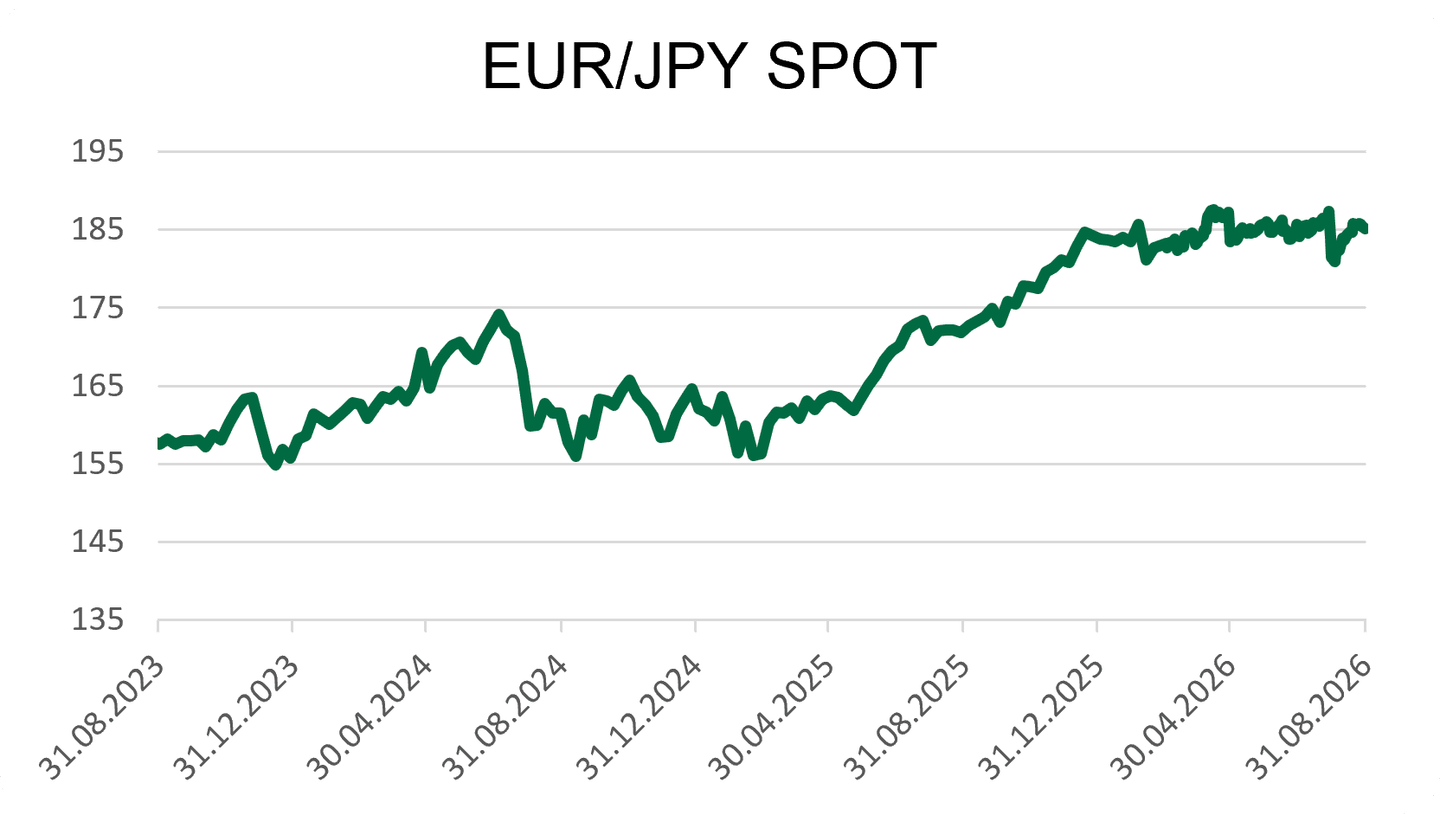
EURJPY: EURJPY is trading around 185.6, compared with 184.03 at the end of July, representing an increase of close to 0.9%.
The yen remains weak, with USDJPY around 159.3, despite the gradual tightening of Japanese monetary policy. The Bank of Japan is maintaining its policy rate at 1%, while expectations of another rate increase strengthened in August.
Japanese inflation rose again to 1.9% in July, from around 1.6% in June, while core inflation reached 1.8%, moving closer to the BoJ’s 2% target.
Activity indicators remain solid: the flash manufacturing PMI came in at 55.1 and the services PMI at 52.3. This combination of resilient activity, yen weakness, and gradually rising inflation is reinforcing expectations of another Bank of Japan rate hike.
Interest rates: central banks remain on hold amid inflationary pressure
United States: The Federal Reserve did not hold a new meeting in August. Its policy rate therefore remains unchanged within the 3.50%–3.75% range.
Inflation slowed slightly in July, with CPI at 3.4% year on year, compared with 3.5% in June. However, PCE data released on August 26 remained elevated: the headline index reached 3.7% and core PCE 3.3%, sustaining expectations of a possible further rate increase.
At the same time, the labor market is showing signs of slowing, with a decline of 23,000 non-farm jobs in July and an unemployment rate of 4.1%. Growth also decelerated, with GDP expanding at an annualized rate of 1.5% in the second quarter.
Long-term rates remain high, with the 10-year Treasury trading around 4.64%–4.66% and the 30-year yield around 5.18%, against a backdrop of concerns related to inflation, the deficit, and public debt.
Euro area: The ECB did not hold a new meeting in August. The refinancing rate remains at 2.40%, the deposit rate at 2.25%, and the marginal lending rate at 2.65%. With inflation still close to 3% and economic activity remaining resilient, however, the monetary policy bias has become significantly more hawkish.
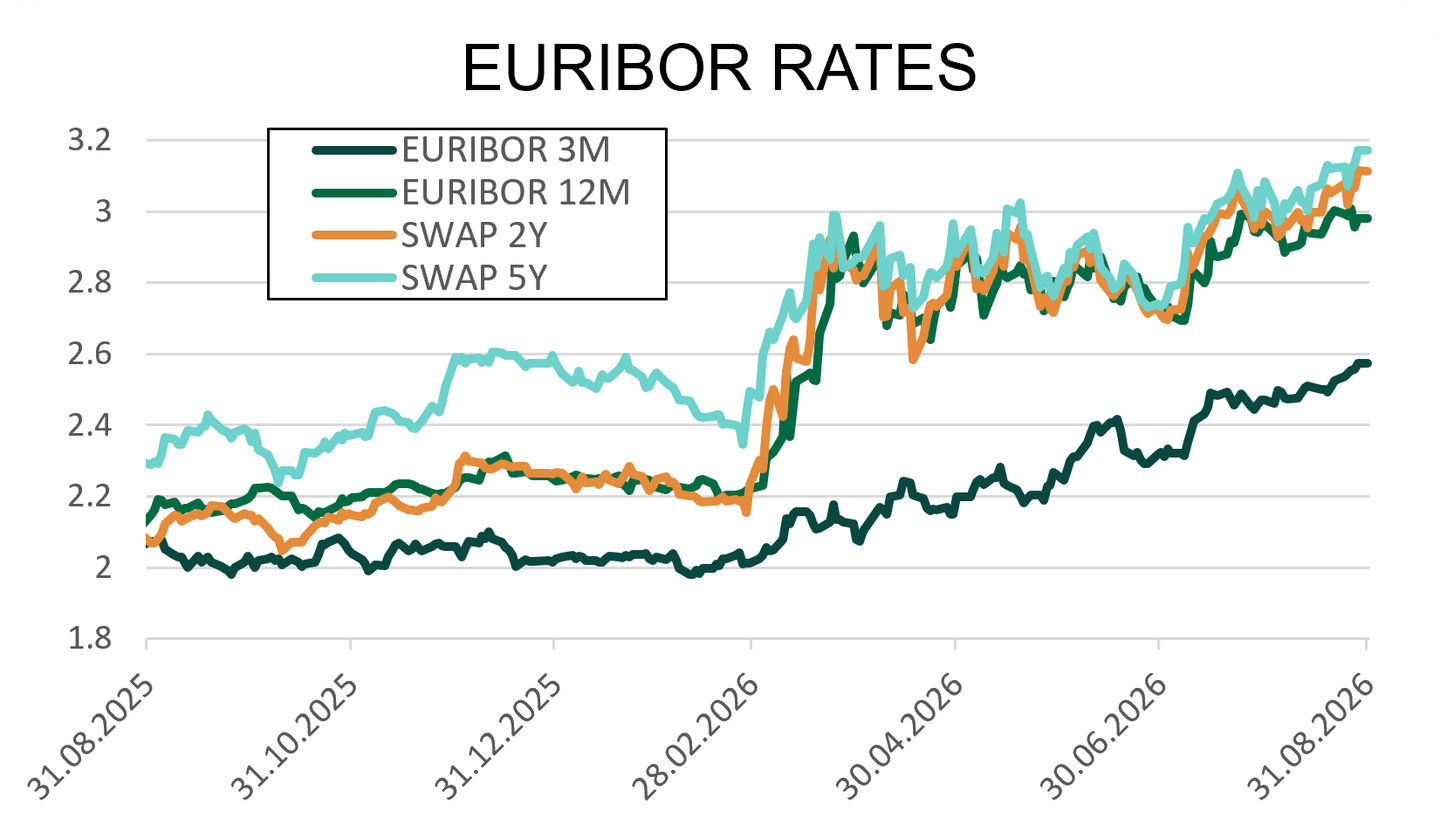
The market now expects another rate hike as early as September and is pricing in approximately two increases of 25 basis points by early 2027, which would bring the deposit rate to around 2.75%. The probability of an additional move is also increasing: markets now assign a significant probability to the deposit rate reaching 3% during 2027.
This rise in expectations is also reflected in market rates. The 5-year euro swap rate is trading at around 3.1%, compared with approximately 3.0% at the beginning of August, reflecting an increase in medium-term financing costs and expectations that rates will remain higher for longer.
United Kingdom: The Bank of England did not hold a new meeting in August. Its policy rate remains at 3.75%, following a decision taken at the end of July by six votes to three.
UK inflation rose again to 2.9% in July, compared with 2.6% in June. Household inflation expectations also increased, to 3.9% over one year and 4.1% over the longer term, encouraging the central bank to remain cautious.
Economic activity remains resilient, however, with the composite PMI at 52.5, supported by services at 52.8 and manufacturing at 51.5.
On the fiscal front, Andy Burnham’s government is preparing its first budget for October 28. Public borrowing has already reached £56.7 billion, which is £2.3 billion more than expected. The 10-year gilt yield remains close to 5%, keeping financing costs elevated.
Japan: The Bank of Japan did not hold a new meeting in August. It had maintained its policy rate at 1% at the end of July, after raising it in June.
Expectations of another rate hike nevertheless strengthened during the month. Several BoJ officials indicated that a further increase could be necessary if inflationary pressures persist, while a majority of economists surveyed by Reuters now expect the rate to reach 1.25% in September.
Japanese inflation rose again to 1.9% in July, while inflation excluding fresh food reached 1.8%. The weakness of the yen and higher import costs could continue to fuel price pressures.
Yen-denominated financing remains less expensive than in other major developed economies, but its cost is expected to rise gradually if the BoJ continues to normalize monetary policy.
China: China kept its main benchmark rates unchanged on August 20. The loan prime rate remains at 3.0% for one year and 3.50% for five years, for the fifteenth consecutive month.
Inflationary pressures remain weak, with inflation limited to 0.5% in July. Economic activity is also showing signs of slowing: industrial production rose by 4.5% year on year, while retail sales increased by only 0.6%.
Against this backdrop, the authorities are currently prioritizing fiscal measures and infrastructure spending rather than another interest-rate cut.
For companies, yuan-denominated financing remains relatively accessible. The main challenges stem more from weak domestic demand, slowing investment, and persistent tensions in the real estate sector.
Commodities: energy, gold and graphics processing unit (GPU) rental prices rise
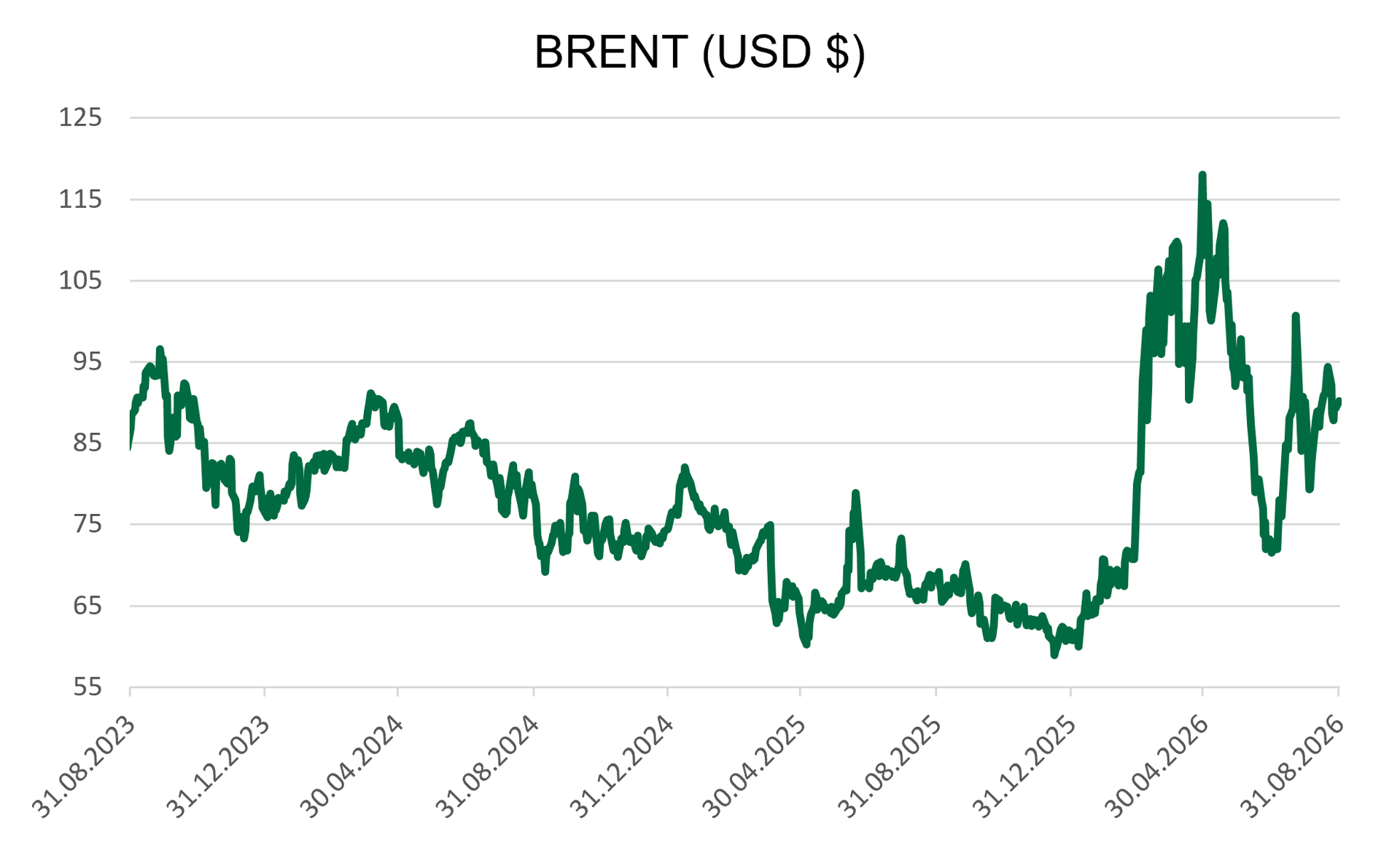
Oil: Brent crude remained highly volatile in August, trading at around $86.8 per barrel on August 27, compared with $90.12 at the end of July, after exceeding $94 on August 21. However, the main source of tension today lies more in refined products than in crude oil itself.
Diesel remains at very high levels, and crack spreads, which measure the difference between the price of refined products and crude oil, remain exceptionally tight. In other words, even when Brent prices decline, diesel prices do not fall by the same proportion.
This situation is explained by disruptions to refining operations, logistical difficulties, and still-constrained flows in the Strait of Hormuz region. The market therefore has crude oil available, but the supply of finished products, particularly diesel, remains much more limited.
For companies in transportation, logistics, and chemicals, the real source of pressure on energy costs therefore comes more from diesel prices and refining margins than from the level of Brent crude considered in isolation. As long as these tensions persist, lower crude oil prices will not necessarily translate into a rapid reduction in costs for end users.
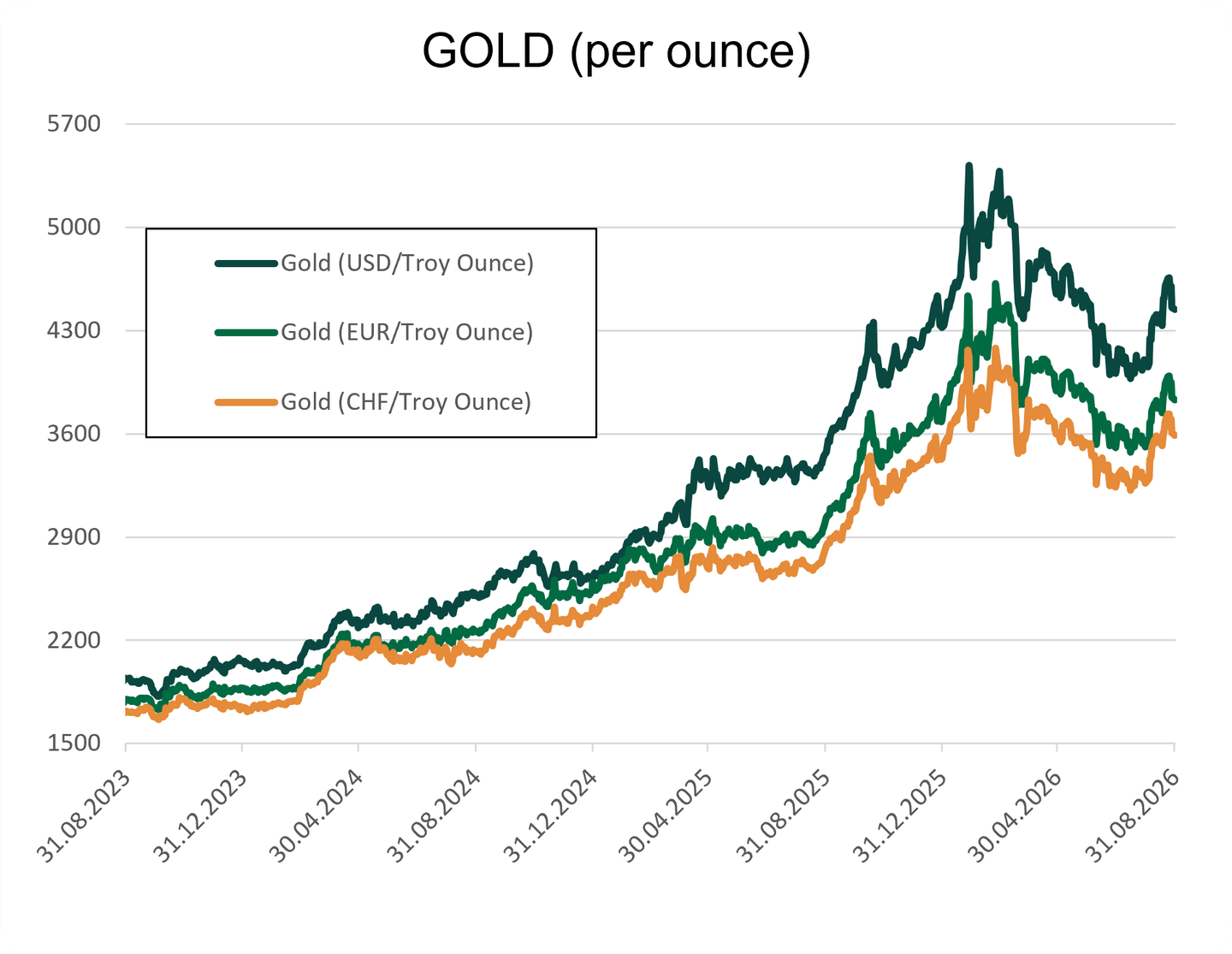
Gold: Gold rose sharply in August and is trading at around $4,620 per ounce, compared with approximately $4,050 at the end of July, representing an increase of close to 14%. It even approached $4,700 on August 25.
This increase is being supported by geopolitical tensions, concerns about U.S. debt, and the weakening of the dollar. Gold nevertheless remains sensitive to developments in U.S. interest rates and Federal Reserve decisions.
Sulfur: Sulfur is trading at around CNY 9,100 to 9,200 per tonne. Its price has remained broadly stable over the month but is still approximately 250% higher than one year ago.
It remains below the record level of CNY 11,084 per tonne reached in June but continues to stand at a historically high level. Logistical disruptions in the Middle East and low Chinese inventories continue to support prices.
This situation is weighing in particular on fertilizer producers, agriculture, the chemical industry, and certain mining activities.
Natural gas / LNG: In the United States, natural gas remains relatively contained, at around $2.7 to $2.8 per million BTU, thanks to high production and comfortable inventory levels.
In Europe, the situation is tighter. TTF is trading at around €66 per MWh, compared with approximately €59 at the end of July, representing an increase of close to 12%. European inventories are at only 62% to 63% of capacity, compared with approximately 74% one year earlier.
Disruptions to exports from the Middle East and competition with Asia for LNG cargoes are therefore maintaining upward pressure on prices. European industries with high gas consumption remain particularly exposed as winter approaches.
GPU / AI: Computing capacity costs remain high, driven by strong demand for the most powerful GPUs. The new-generation Blackwell B200 and B300 chips are taking an increasingly important role in artificial intelligence infrastructure.
At Lambda, a B200 costs approximately $6.69 to $6.99 per GPU per hour, compared with around $4 for an H100. At CoreWeave, the price reaches approximately $8.60 per GPU per hour.
Demand remains very strong: Nvidia’s data center revenue increased by 117% year on year, while investment by major technology companies in AI is expected to exceed $730 billion in 2026.
The actual cost is also higher than the price of the GPUs alone, since electricity, cooling, storage, and data-center infrastructure must also be taken into account.
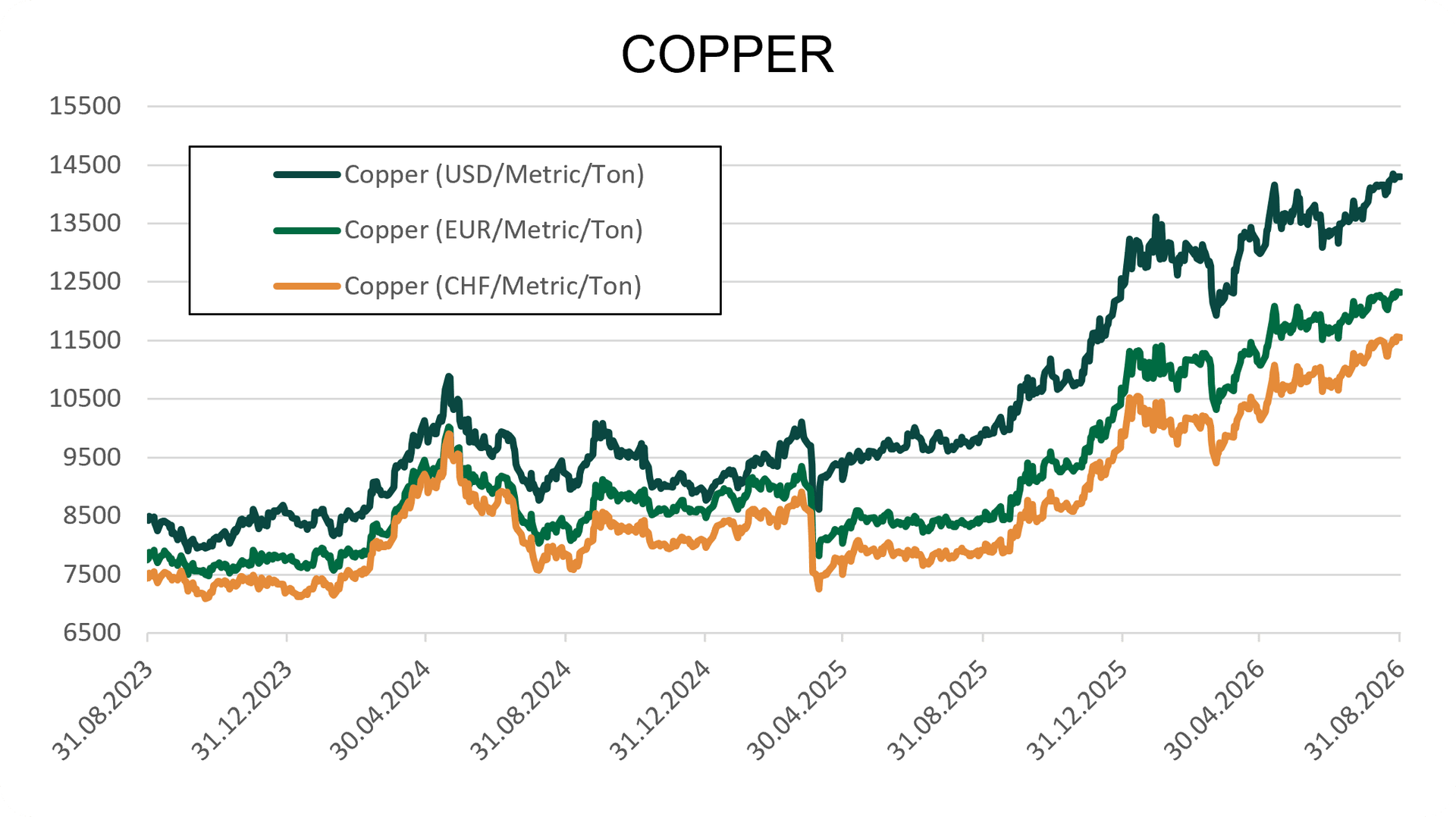
Copper: Copper remains close to record levels, trading at around $14,300 to $14,400 per tonne in London, representing an increase of approximately 4% since the end of July. In the United States, contracts recently exceeded $6.70 per pound.
The market remains tight due to limited inventories in London and the redirection of some flows toward the United States.
Over the longer term, demand continues to be supported by electricity grids, electric vehicles, energy infrastructure, and the expansion of AI-related data centers. These high prices therefore continue to increase the cost of cables, electrical equipment, cooling systems, and certain industrial components.
This market report was prepared on 08/31/2026.

OUR TEAM SUPPORTS YOU
Kerius Finance brings together a team of passionate experts dedicated to analyzing, managing, and optimizing financial risks. Our approach is based on transparency, rigor, and attentiveness, enabling us to fully understand your challenges and provide tailored solutions.